Sidebar

At the invitation of Mr. Jesus SANCHEZ, Dean of the Barcelona Bar, on 14 March 2025, Dragos CHILEA - President of the BPI - had the honor to attend the solemn session and the gala dinner. Thanks to Mrs Erika TORREGROSSA, we hope that the relationship with the Barcelona bar will resume. Thank you ICAB!


Following the General Assembly on February 21, 2025, in Paris, the BPI-ICB Executive Committee has the following composition, voted and validated by the majority of members present at the meeting:
PRESIDENT: Dragos CHILEA
VICE PRESIDENT FOR AFRICA: Abouba Ali Maiga
VICE PRESIDENT FOR ASIA: Nguyen Dang Trung
TREASURER: Vincenzo Carbone
SECRETARY GENERAL: Mourad Chikhi
Members: Aicha Boudiaf, Nadir Hacene
Add a comment

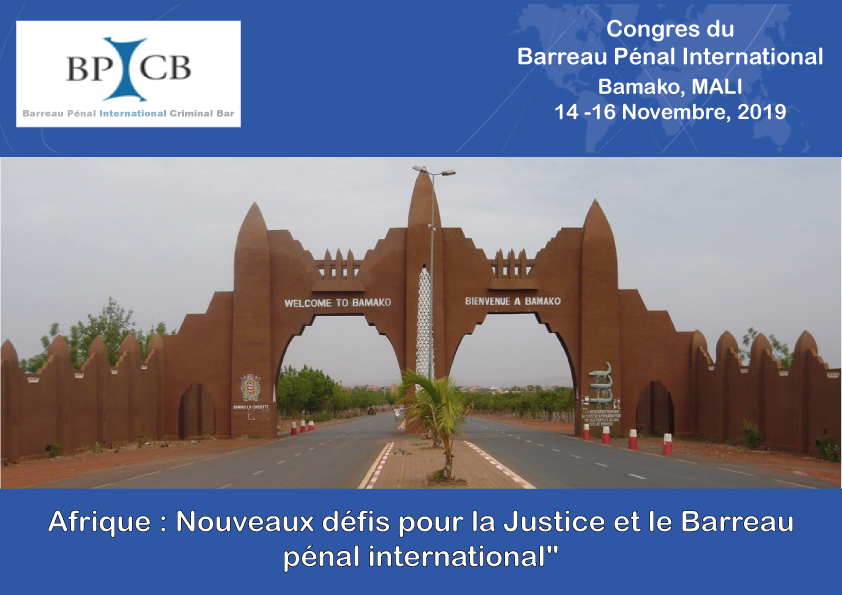
The President of the International Criminal Bar and the President of the Bar Association of Mali,
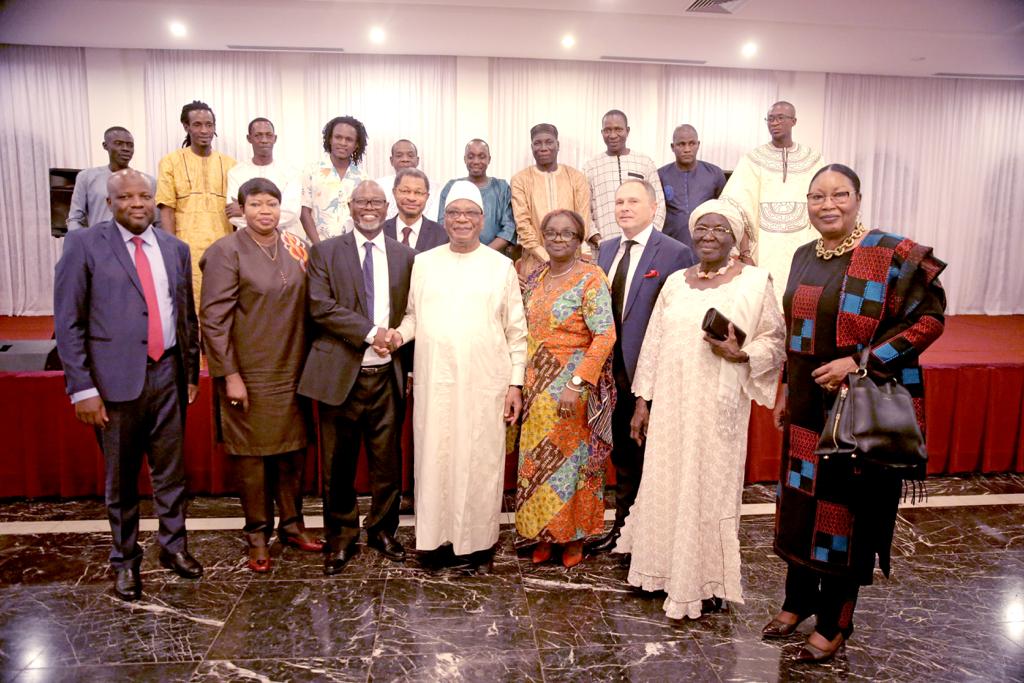
You are cordially invited to take part in the 1st congress of the International Criminal Bar in Africa from November 14 to 16, 2019 at the Hotel Sheraton in Bamako - Mali.
For Malian lawyers, please register at the secretariat of the Order or with Maître Maîmouna TOGOLA, President of the Finance Subcommittee of the Congress Organizing Committee.
You can register now by clicking on the link below.
During the Conference in Constanta, meetings were organized between the president and vice-president of ICB, regarding preparations for the Congress of Bamako of 14-16 November. Another topic discussed was opening an ICB office in Bamako, for Africa. Participants to these meetings included lawyers members of the ICB: Prof. Vicenzo Carbone from Rome, Ramona Coman, president of the Pro Iure association of Targu-Mures, and Alina Elena Lungu from Constanta.
The delegation lead by the president of the ICB, Prof. Dr. Dragos Chilea, had official meetigs with the President, registrar and chief prosecutor of the ICC. The delegation was comprised of the general secretary of the ICB, Dr. Jaume Antich, and Dr. Laura Guercio. Were presented projects that the ICB has for Iraq and Mali as well as the Congress that will be organised in Bamako in the period 14-16 November 2019 and to which the ICC officials were cordially invited.
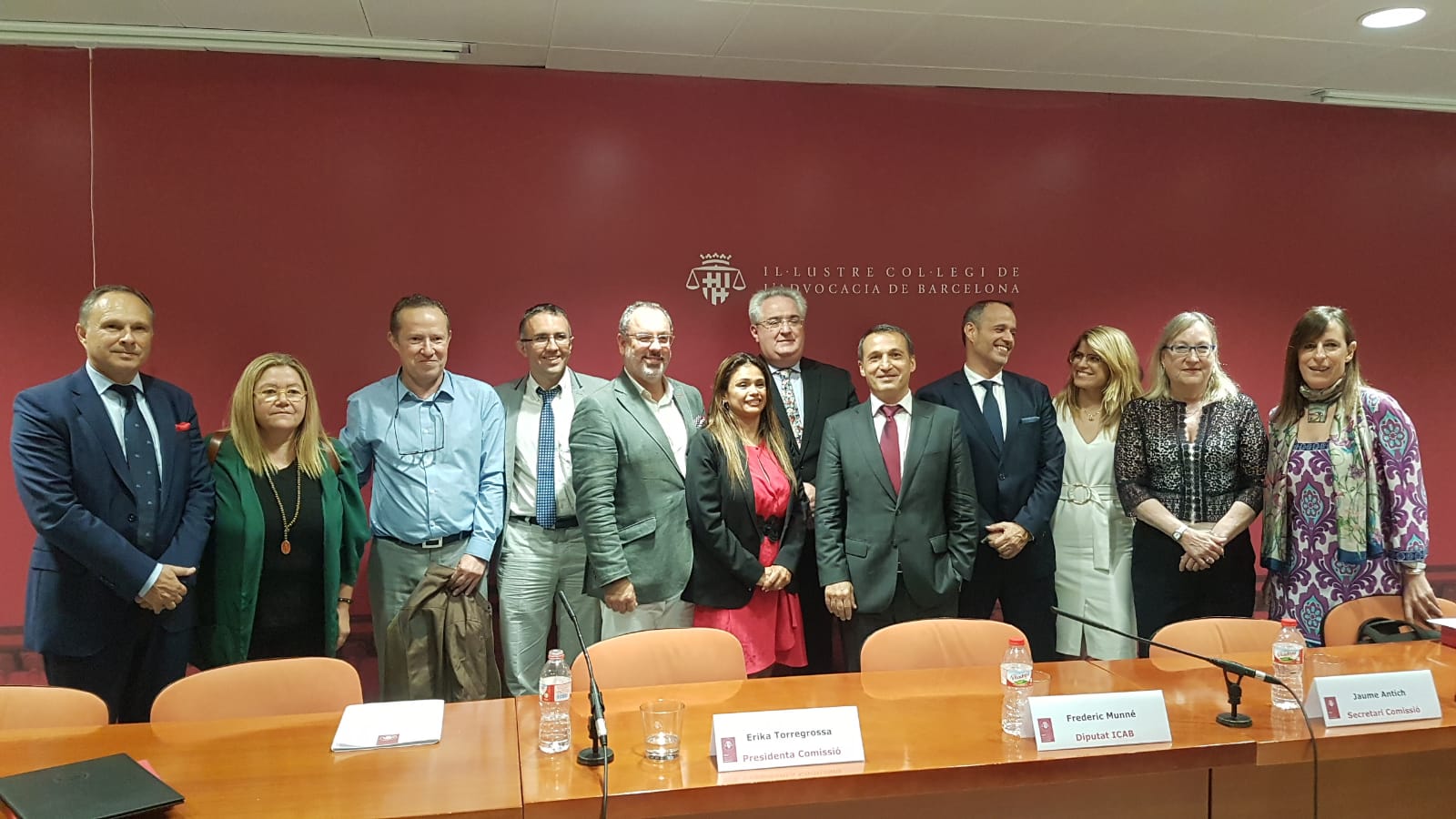
Award Ceremony of the Luis del Castillo Prize in International Criminal Justice and Human Rights to Dr. Esteban Peralta Losillas.
Program
9.15-9.30 h Accreditation
9.30-9.45 am Opening
Núria Clèries Nerín, Director of the Center for Legal Studies and Specialized Training of the Department of Justice
Dragos Chilea, President of the International Criminal Bar (BPI-ICB-CAPI)
Ignasi Puig Ventalló, President of the Council of the Illustrious Bars of Catalonia(CICAC)
9.45-10.45 h Round table
The crime of favoring illegal immigration and its connection with the crime of hatred, as well as the treatment of connected expressions of xenophobia and anti-
discrimination
Pilar Izaguirre, Delegated Prosecutor of Foreign Affairs of Catalonia
Charo Alises Castillo, President of the Human Rights Commission, coordinator of the Legal Assistance Service for Victims of Hate Crimes of the Illustrious Bar Association
of Málaga
Present and moderate,
Silvia Soler Huete, lawyer, member of the CJPI-DDHH of the ICAB, member of the ICB
10.45-10.50 h Presentation
'Women victims of DAESH's crimes project giving them historical record and justice'
Laura Guercio, Italian lawyer, member of the ICB
10.50-11.15 a.m. Break
11.15-12.15 h Round table
Transnational crimes in the field of Foreigners (Borders) and organized bands
Leticia Matarranz Ortiz, Head of International and Institutional Relations at the Central Unit of Illegal Immigration and Documentary Falsehoods Networks (UCRIF-Central, National Police)
Antoni Rodríguez Herrera, Head of the Criminal Investigation Division of Mossos
d'Esquadra, Criminal Investigation Professor of the Police School of Catalonia and
Professor in the Degree in Security and the Master's in Strategic Security and Police.
Present and moderate,
Javier García Mallol, lawyer, member of the ICB, and member of the CJPI-DDHH of the ICAB
12.30-13.30 Round table
Trafficking of organs and crime of trafficking in persons
Linda Cottone, a member of the UN-Research Unit for the International Organization for Migration (IOM) - Libya
Narciso Ortega Oliva, former Superior Chief of the National Police of Catalonia and a pre-doctoral specialist in FRONTEX (External Borders of the EU)
Rosa María Cendón, Coordinator Area Institutional Relations and Incidence of the SICAR.cat-Adoratrius program
Present and moderate,
Antonia Rocha González, lawyer, Treasurer of the ICB, member of the CJPI-DDHH of the ICAB
13.45-14 h Closure
Jaume Antich Soler, Lawyer, General Secretary of the CAPI, Secretary of the CJPI-DDHH of the ICAB.
Erika Torregrossa Acuña, President of the CJPI-DDHH and Adjunct to the Dean of the ICAB, and member of the CAPI
David Querol Sánchez, Lawyer, President of the Immigration Commission of the Illustrious Bar Association of Mataró (ICAMAT), member of the CAPI and of the
CJPI-DDHH of the ICAB
Coordinators
Jaume Antich Soler, General Secretary of the CAPI, Secretary of the CJPI-DDHH of the ICAB.
David Querol Sánchez, President of the Immigration Commission of the Illustrious Bar Association of Mataró (ICAMAT), member of the CAPI and of the CJPI-DDHH of the ICAB
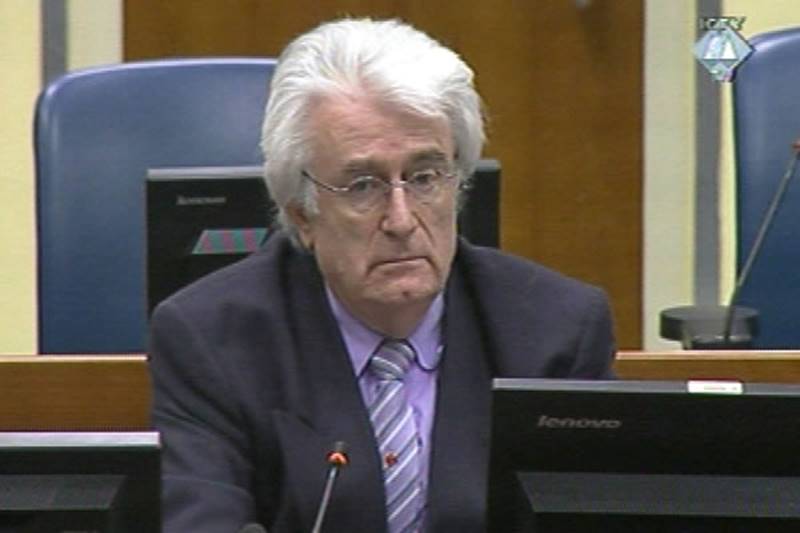
The Criminal Tribunal for the former Yugoslavia (ICTY) reported today that it will release the verdict in the trial that followed against former Bosnian-Serbian leader Radovan Karadzic for war crimes, crimes against humanity and genocide during the war of Bosnia (1992-1995).
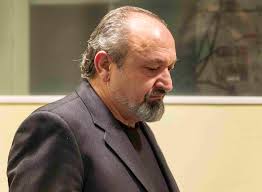
The Appeals Chamber issued its Judgement in the Popović et al. case, concerning five senior Bosnian Serbian military officials for crimes perpetrated by Bosnian Serb forces in July 1995, following the takeover of the protected areas of Srebrenica and Žepa.
The final convictions for the five Appellants stand as follows.
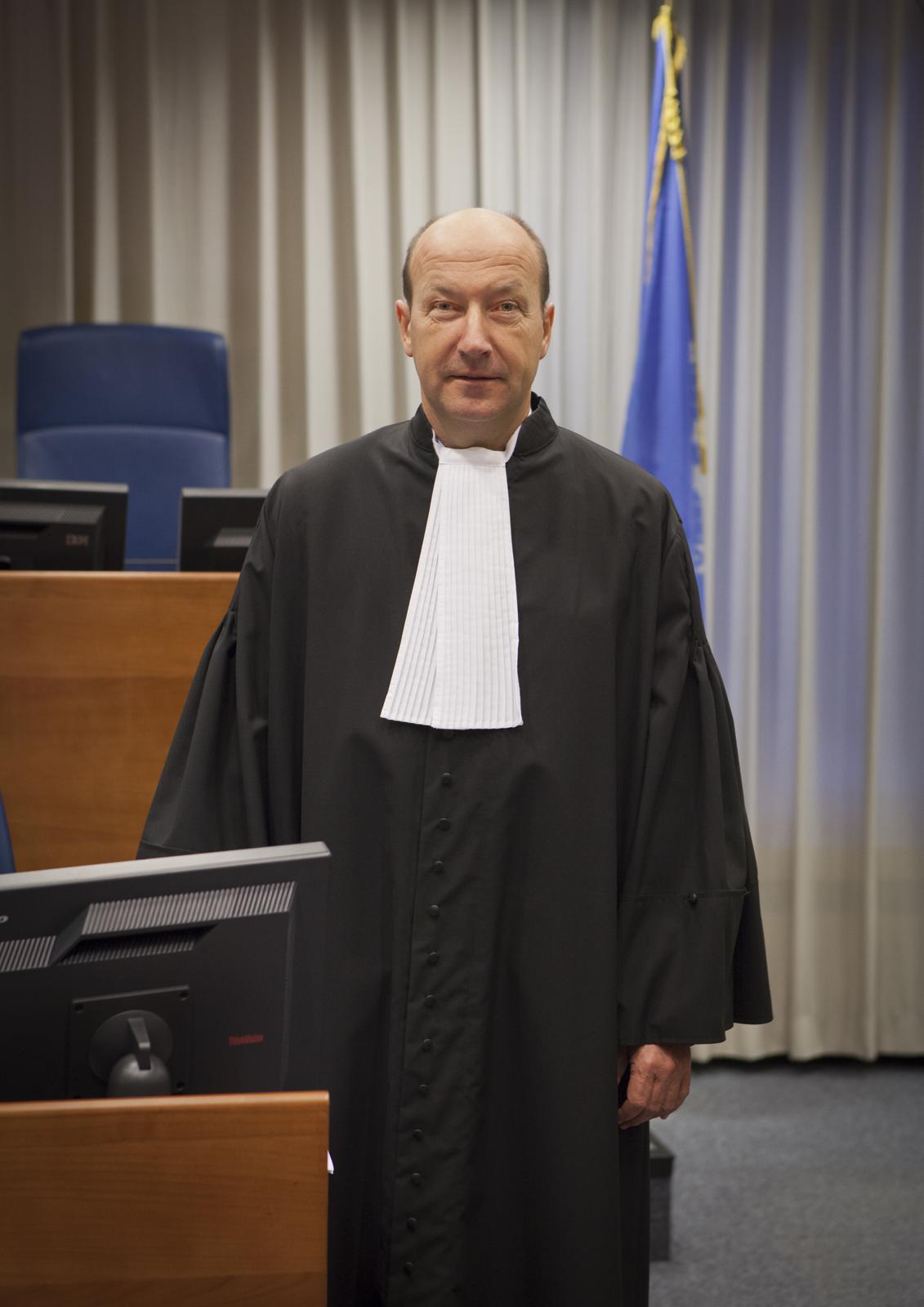
The Tribunal’s Registrar John Hocking and the General Director of the Custodial Institutions Agency of The Netherlands, Peter Hennephof, today signed an extension of the Agreement on Detention Facilities and Services between the United Nations and the State of The Netherlands.
Through this Agreement, The Netherlands will continue to provide the Tribunal with the detention facilities and services necessary to house all persons detained on the authority of the Tribunal and The Hague branch of the Mechanism.
The Agreement is effective from 1 January to 31 December 2015 and allows for a further extension until the end of 2017. It covers important matters such as the provision of medical services to Tribunal detainees, the management and maintenance of the United Nations Detention Unit (UNDU) and the costs of detention. The Agreement is vital in allowing the Tribunal to fulfil its mandate as it ensures that the conditions in which the detainees are housed meet the highest international standards.

STL Contempt Judge sets date for start of trial in the contempt case against Al Jadeed S.A.L. and Ms Karma Al Khayat (14-05)
Coalition for the International Criminal Court
MASTER
The ICB wishes to inform you of the Official Announcement of the Master on International Criminal Justice created with the Rovira i Virgili University
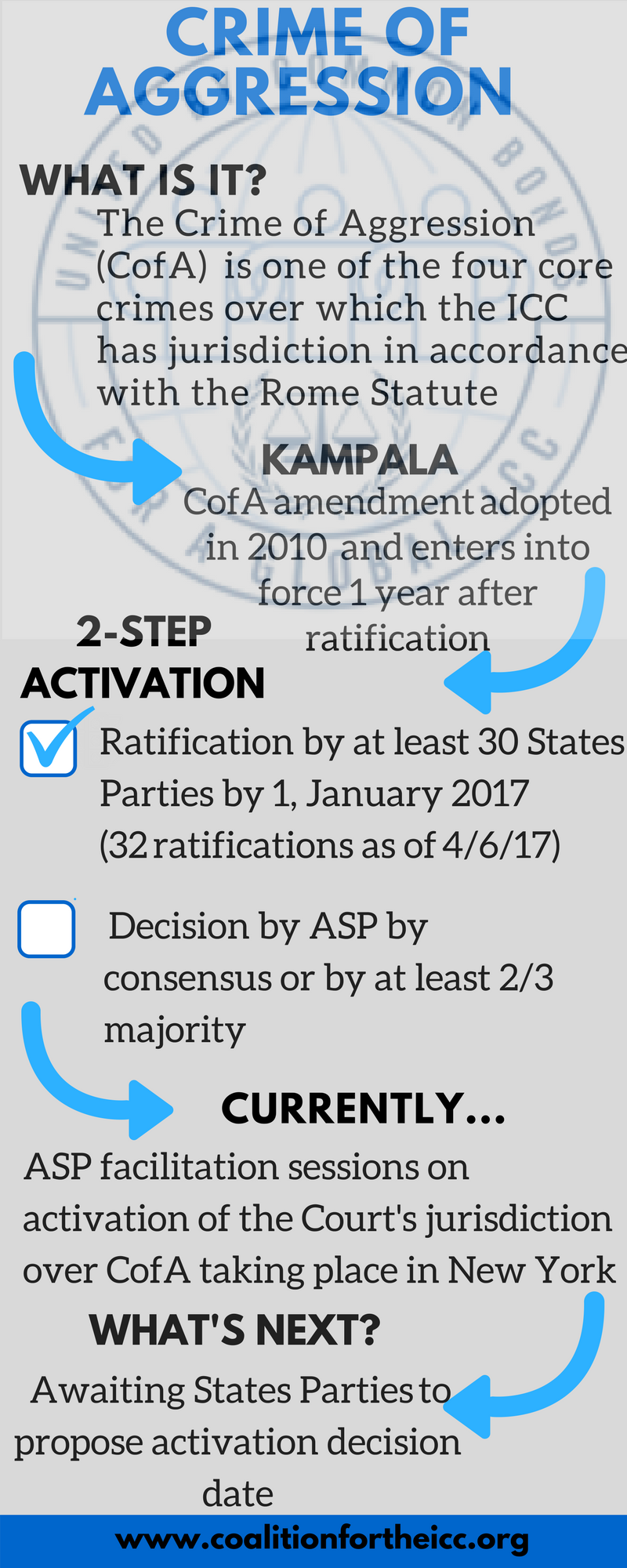
Crime of Aggression
Labels
4Th International Meeting Of Defence Offices
Defence Office of the Special Tribunal for Lebanon
Dear Madam, Sir,
The Defence Office of the Special Tribunal for Lebanon thank you again for your participation in the Fourth International Meetings of Defence Offices which were held in London, on 25th and 26th of November 2016.
Please find attached the Summary report of the Meetings in French, English and Arabic.
You will also find attached the questionnaire on Defence Investigations, which we thank you for completing in the language of your choice, and sending back to us, if you have not already done so. As Johann said during the Meetings,your answers will be very useful in that they will illustrate the Guide to Investigations with concrete examples from you experience.
Thank you again for your participation and we hope to see you again in Nuremberg for the Fifth Meetings in 2017.
Kind regards,
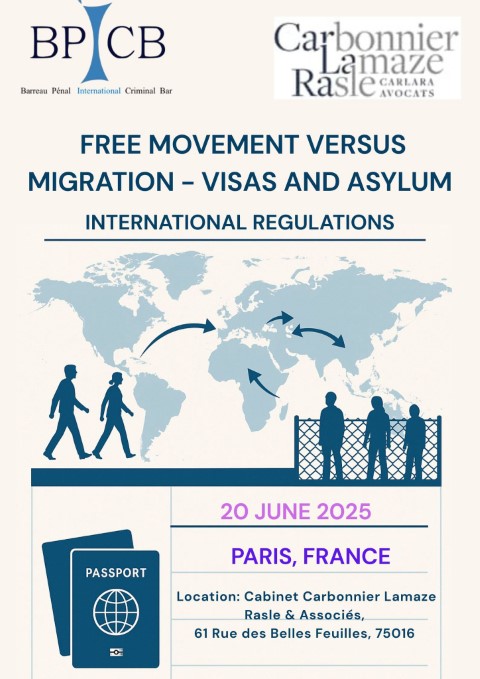
- FREE MOVEMENT VS. MIGRATION - VISAS AND ASYLUM - INTERNATIONAL REGULATIONS - JUNE 20, 2025 PARIS FRANCE (News) 2025-04-14
- President of the BPI, Dragos Chilea Attends Solemn Session and Gala Dinner at Barcelona Bar Invitation on 14 March 2025, ICAB (News) 2025-03-22
- Vote of the the General Assembly on February 21, 2025, in Paris, the BPI-ICB Executive Committee (News) 2025-02-25
- Paris, General Assembly and Elections 21.02.2025 (News) 2025-02-26
- HUMAN RIGHTS AND THE ARTIFICIAL INTELLIGENCE CHALLENGES - INTERNATIONAL CONFERENCE 10 December 2024, Bucharest (News) 2025-02-04
- Project ReVision by Mr. Michael G. Karnavas (News) 2015-04-08
- International Romani Day (News) 2015-04-08
- Rwanda remembers 1994 genocide (News) 2015-04-08
- Law Day (News) 2015-04-12
- RIP Gunter Grass (News) 2015-04-13